In short
- A single brow hair takes four to seven months to reach full length.
- Judge regrowth at twelve weeks, not at four — neighbouring follicles run on different schedules.
- Years of repeated plucking can scar a follicle permanently; a few seasons usually does not.
Why regrowth feels so slow
Every brow hair sits in a follicle that cycles through three phases: a growing phase (anagen), a short transition (catagen) and a resting phase (telogen), after which the hair sheds and the follicle starts again. Brow follicles spend far less time growing than scalp follicles do, which is why brows stay short — and why any change is measured in months rather than weeks.
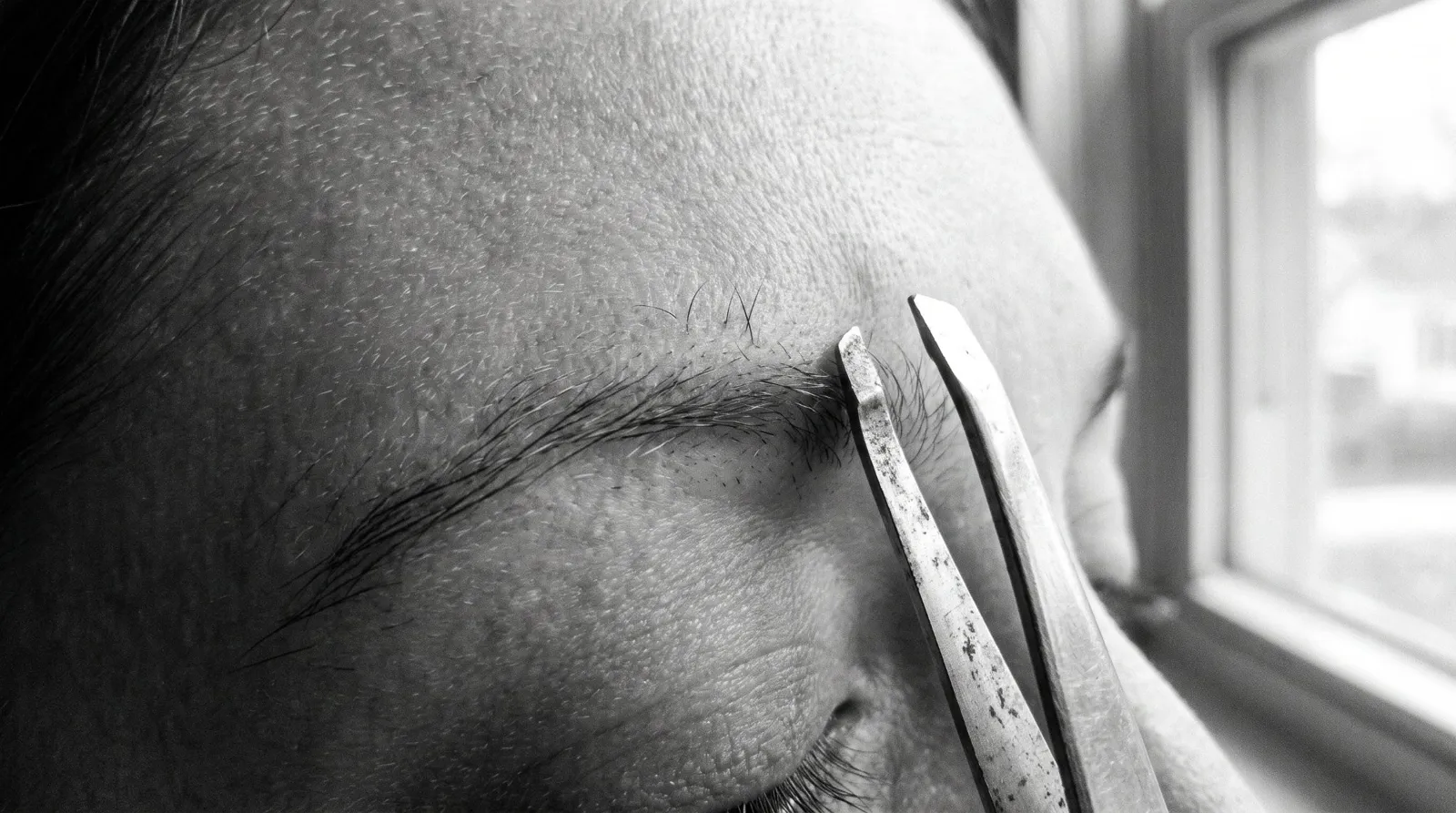
When you pluck a hair, you remove it from the follicle but you do not reset the clock to zero in a useful way. The follicle has to come round to a new growing phase, produce a new hair and push it to a length you can actually see. At any moment the follicles in one small patch are all at different points in that cycle, so a gap refills unevenly, a few hairs at a time.
A realistic timeline
This is the schedule to judge your own brows against. It assumes you stop plucking, threading and waxing inside the area you want back, starting today.
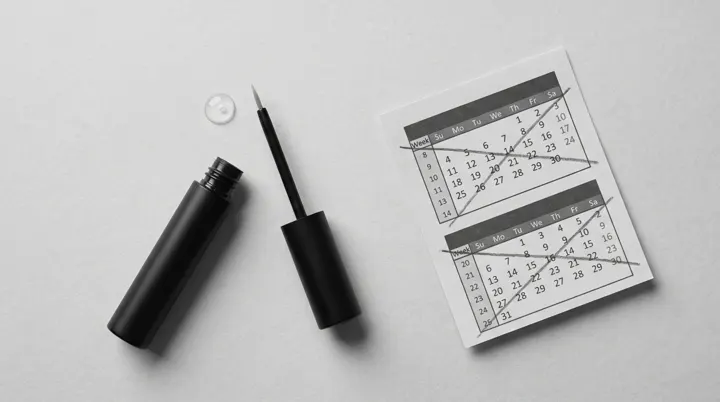
| When | What you should see |
|---|---|
| Weeks 1–2 | Very little. Short, dark stubble may appear where hairs were removed most recently. Resist tidying it. |
| Weeks 3–6 | Scattered short hairs, often growing at odd angles. The brow looks messier before it looks fuller — this is the stage most people abandon. |
| Weeks 6–12 | The new hairs reach a visible length, typically first in the tail and in gaps left by the most recent plucking. Compare against week-zero photographs taken in the same light. |
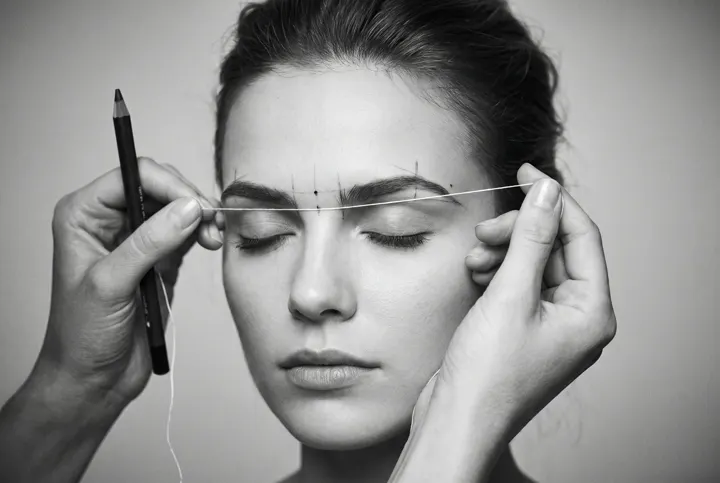
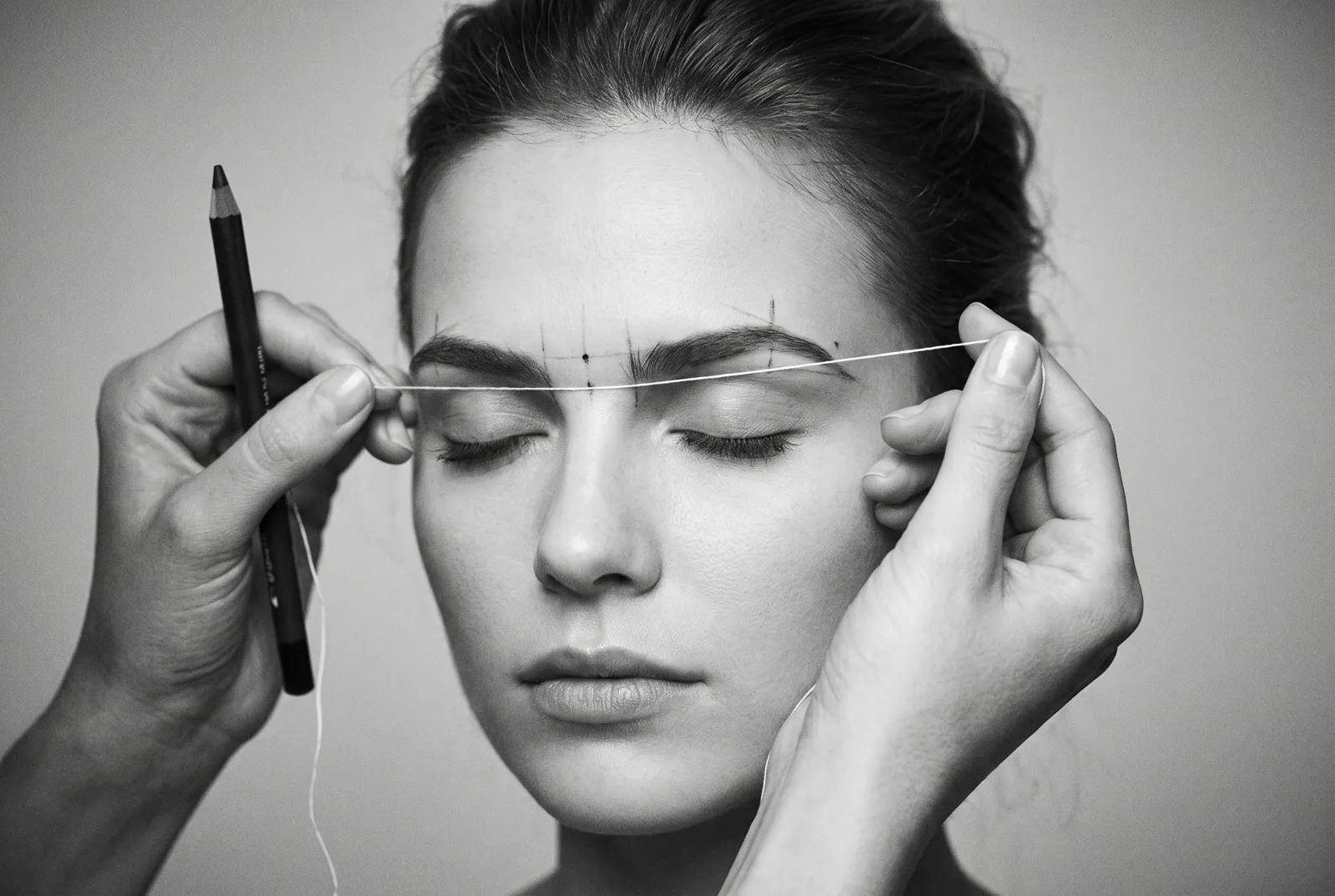
| Months 3–4 | The shape starts to read as a brow again. This is the point to decide what, if anything, to remove — ideally with a professional doing the mapping. |
| Months 4–7 | Hairs that started late catch up to full length. Anything still missing after this has either not cycled yet or is not coming back without help. |
The brow looks messier before it looks fuller. That stage is the whole reason people start plucking again.
When damage becomes permanent
Usually it does not. Most gaps from a few seasons of over-tweezing regrow once the area is left alone for a full cycle. The exception is years of repeated plucking of the same hairs: removing a hair again and again can injure the follicle, and a scarred follicle may produce a finer hair or stop producing one at all.
A practical rule: if a patch has not produced a single new hair after six months of being left completely alone, treat it as unlikely to return on its own. That is the point at which microblading or powder brows, which draw hair where it is not, become the realistic option — not a serum.
When it is not the plucking
Over-plucking is the most common cause of sparse brows, but not the only one. Thyroid conditions, iron or protein deficiency, alopecia, chemotherapy, age, some medications and repeated tinting all thin brows, and they present differently. Loss that is sudden, symmetrical, or concentrated in the outer third of the brow is worth a doctor's appointment before you spend anything on products.
What actually speeds things up
- Leave it alone. No tweezers inside the brow line for twelve weeks, including the “just one” stray hair.
- Fill in rather than remove. Pencil strokes for single gaps, powder for patches, a clear gel for unruly regrowth.
- Photograph at week zero. Same window, same time of day, no makeup — otherwise you will not see progress at all.
- If you add a serum, pick for the job. For regrowth after over-plucking we point to peptide-led formulas given at least sixteen weeks; see peptides vs. prostaglandins.
Questions
Can I tidy the hairs under the brow while it grows back?
Only those clearly outside the mapped shape, and only once a month. Anything inside or near the brow line stays until the regrowth is complete.
Will shaving my brows make them grow back thicker?
No. Shaving cuts the hair at the surface, which leaves a blunt tip that can look coarser, but it does not change the follicle or the number of hairs.
Does a serum work on follicles that have stopped producing hair?
No. Serums act on follicles that are still alive. Neither peptides nor prostaglandin analogues restore a follicle that is gone.
Sources
- 1Dermatology literature on the eyebrow hair cycle and traction-related follicle damage.
- 2Manufacturer-declared usage timelines for the ten products in the 2026 ranking.

Written by the BrowVerdict panel
Every formula claim on this page was read off the label and checked against the manufacturer's published testing. Corrections stay on the page with their date. How we work.
Nothing here is medical advice. Consult a doctor before using an active on the eye area, and stop any product that causes swelling, pain or changes in vision.